
How to care for an agbada so it lasts for years
A good agbada is an investment. The fabric is heavy, the embroidery is done by hand, and the fit only works while the shape holds. Treated well, one lasts for years. Treated like an ordinary shirt, it can be spoiled in a single wash.
Here is what matters, in the order it matters.
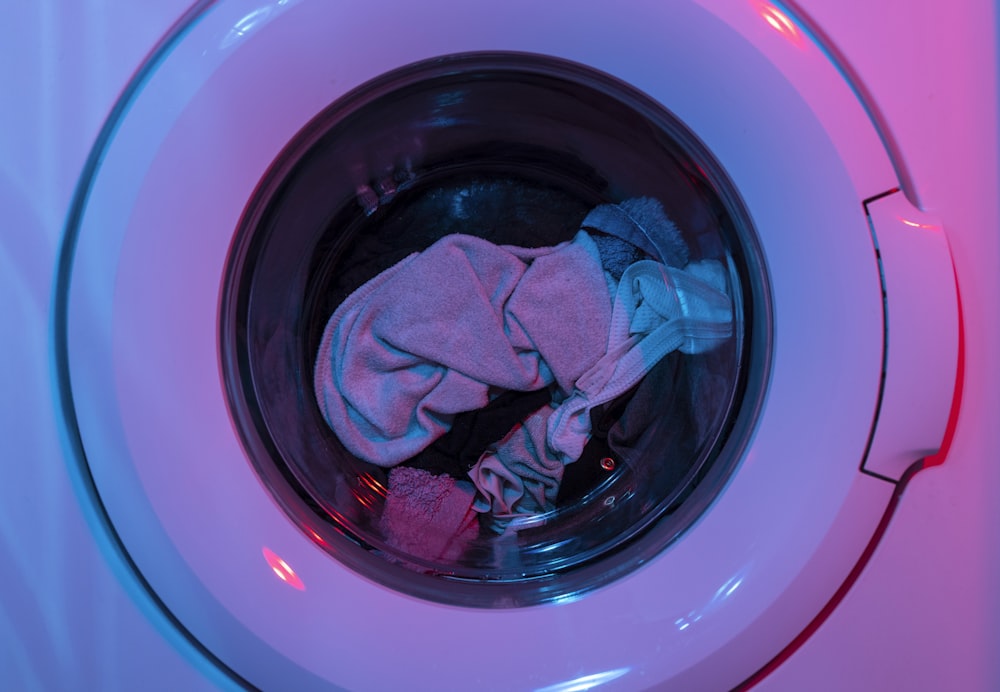
Never put embroidered pieces in a washing machine. The drum does not damage the cloth so much as the thread. Machine agitation drags at the stitching, and once a thread pulls loose the pattern unravels from that point. Hand washing, or dry cleaning for the heavier fabrics, is the only safe route.
Deal with a stain the same day. Palm oil, stew and perfume all set into fabric as they dry, and a set stain is a different job from a fresh one. Blot — never rub — with a clean dry cloth, then bring it in. Rubbing pushes the stain sideways into the weave and spreads a small mark into a large one.
Go easy on the starch. Starch is what gives an agbada its body, but every layer builds up and stiff fabric cracks along the fold lines. Over a few years those cracks turn into permanent pale lines across the shoulders. Ask for a medium finish unless you are dressing for something specific.
Store it hanging, on a broad hanger, with room on either side. Wire hangers put the whole weight of the garment on two narrow points and leave shoulder bumps that no amount of pressing removes. Folded and stacked, the creases become permanent.
Keep it out of direct sun. Sunlight fades dye faster than washing does, especially on deep blues, greens and blacks. Dry in shade, and do not leave it hanging in a bright window between wearings.
If you are unsure what a fabric can take, ask before you wash. We would much rather answer a question than repair a piece that has already been through the wrong process.